2D and 3D Drawings
2D & 3D Technical Drawings
2D and 3D technical drawings play a vital role in the product development process, providing the detailed specifications needed to move a product from concept to manufacture. These drawings communicate critical information such as dimensions, tolerances, materials, assembly requirements, and design intent, ensuring every stage of production is aligned.
3D CAD models allow products to be visualised, tested, and refined before manufacturing begins, while 2D engineering drawings provide the precise technical details required for tooling, prototyping, and production. Together, they help reduce errors, improve communication between design and manufacturing teams, and ensure products are manufactured accurately and consistently.
By creating clear and detailed technical drawings, businesses can streamline product development, minimise production risks, and achieve a smoother transition from design to plastic injection moulding and manufacture.
The Role of 2D & 3D Drawings in Product Development
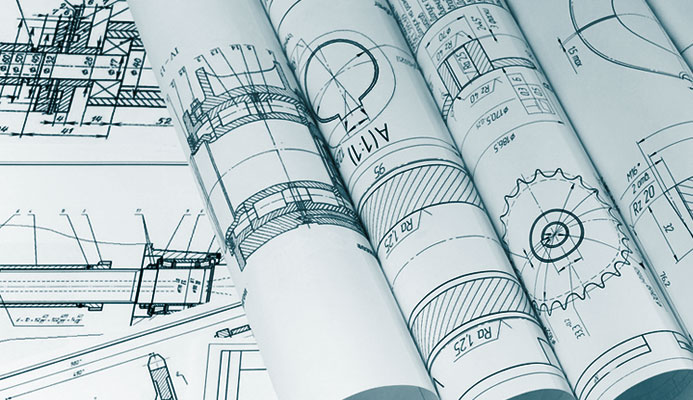
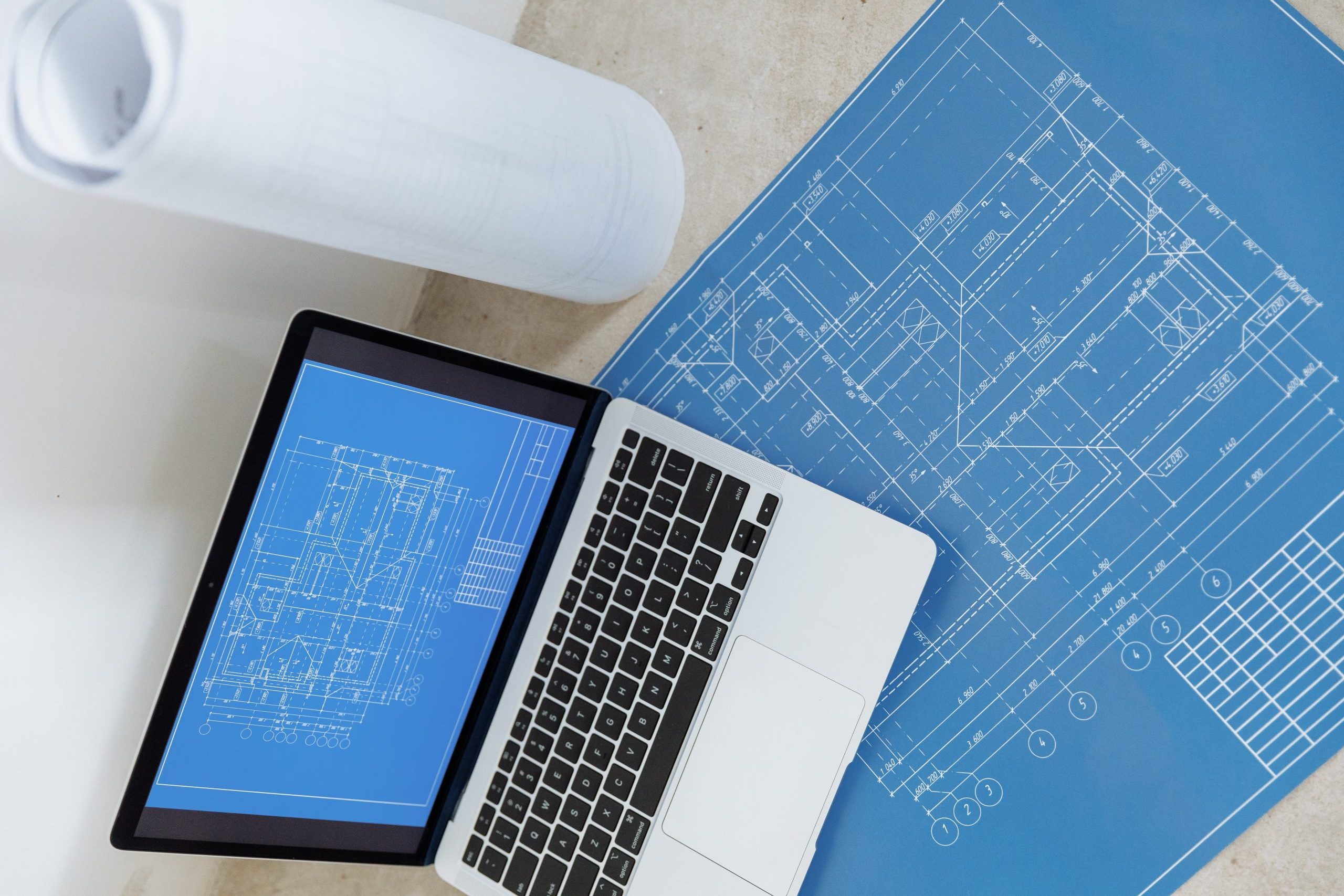
2D and 3D drawings are essential tools in product design, prototyping, and manufacturing. While 3D CAD models provide a detailed visual representation of a product, 2D technical drawings communicate the precise information needed for production, including dimensions, materials, finishes, tolerances, and assembly requirements.
Together, these drawings ensure that designers, toolmakers, and manufacturers are working from the same specifications, reducing the risk of errors and costly production issues. Accurate technical drawings help streamline the transition from concept to prototype, tooling, and plastic injection moulding, ensuring products are manufactured consistently and to the required standards.
The Dynamics of 2D & 3D Drawings
As our 3D production CAD unfurls its potential, another facet takes center stage—2D CAD drawings. In this seamless transition, our commitment to excellence shines. These drawings, whether full-size or scaled, metamorphose concepts into a language understood by manufacturers.
Dimensions, material specifications, finishes, and tolerances—all find their meticulous depiction in these drawings, forming the bedrock for flawless manufacturing.
2D & 3D Drawings for Accurate Product Manufacturing
Accurate 2D and 3D drawings are essential for bringing a product from design to manufacture. They provide the detailed information needed by designers, toolmakers, and manufacturers to ensure products are produced correctly, efficiently, and consistently.
3D CAD models help visualise and refine a product before production begins, while 2D technical drawings define critical details such as dimensions, materials, tolerances, finishes, and assembly requirements. Together, they create a clear manufacturing roadmap, helping to reduce errors, improve communication, and streamline the transition from product development to tooling and plastic injection moulding.
By producing precise technical drawings, businesses can validate designs, minimise production risks, and ensure products meet both performance and manufacturing requirements before production starts.
FAQ's
3D drawings create a digital model of a product, allowing it to be visualised from every angle and tested before production. 2D drawings provide the detailed technical specifications, including dimensions, materials, tolerances, and finishes, needed for manufacturing.
Technical drawings help transform a product idea into a manufacturable design. They ensure everyone involved in the project, from designers and toolmakers to manufacturers, is working from the same accurate specifications, reducing errors and production delays.
Yes. Accurate drawings help identify potential design and manufacturing issues before production begins. Resolving problems early can reduce costly modifications, minimise material waste, and improve production efficiency.
CAD drawings provide the data required for tooling design, prototyping, and plastic injection moulding production. They ensure mould tools are manufactured to precise specifications, helping to achieve consistent product quality and repeatable manufacturing results
Accurate engineering drawings reduce the risk of production errors, improve communication between stakeholders, and help ensure products are manufactured correctly the first time. They are an essential part of the product design, prototyping, tooling, and manufacturing process.
Plastic injection moulded product specialist