Concept Development
Concept Development
A strong product starts with a well-developed concept. The concept development stage helps businesses explore ideas, evaluate functionality, and identify potential design challenges before investing in prototyping or production.
Using sketching and early-stage design techniques, different concepts can be compared to find the best balance of performance, usability, appearance, and manufacturability. This approach helps reduce development costs, minimise production risks, and create a clearer path to successful product manufacture.
At Bosworth Plastics, we help transform ideas into practical product concepts that are ready for design, prototyping, and plastic injection moulding.
Concept Design Stage
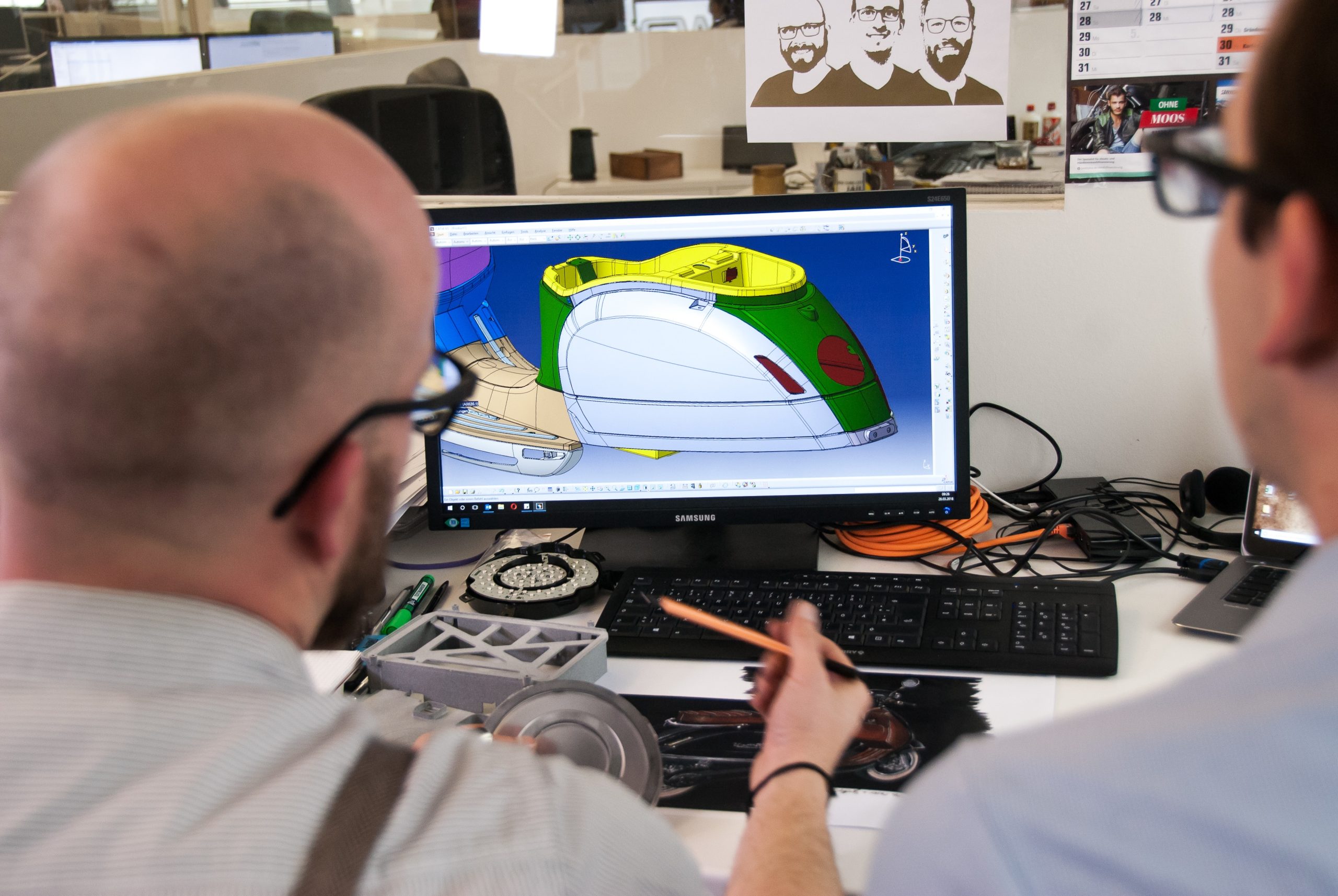
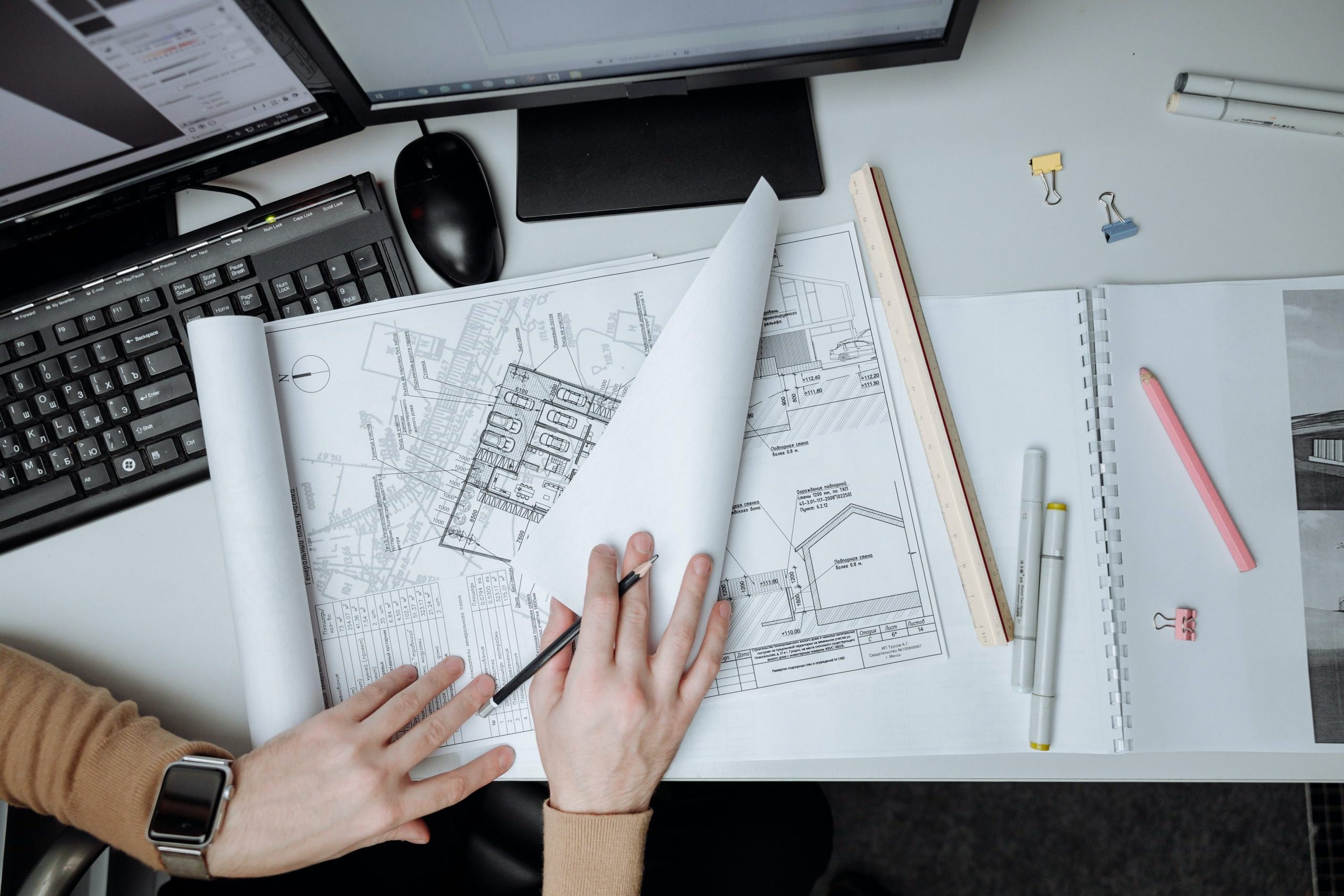
The concept design stage is where product ideas are developed into practical, manufacturable solutions. It helps businesses define a product’s appearance, functionality, and user experience before moving into prototyping and production.
By exploring different design options early, concept design can help reduce development costs, identify potential manufacturing challenges, and improve the chances of a successful product launch. A well-defined concept creates a clear roadmap for product development, ensuring the finished product meets both user needs and production requirements.
Sketching & Concept Evaluation
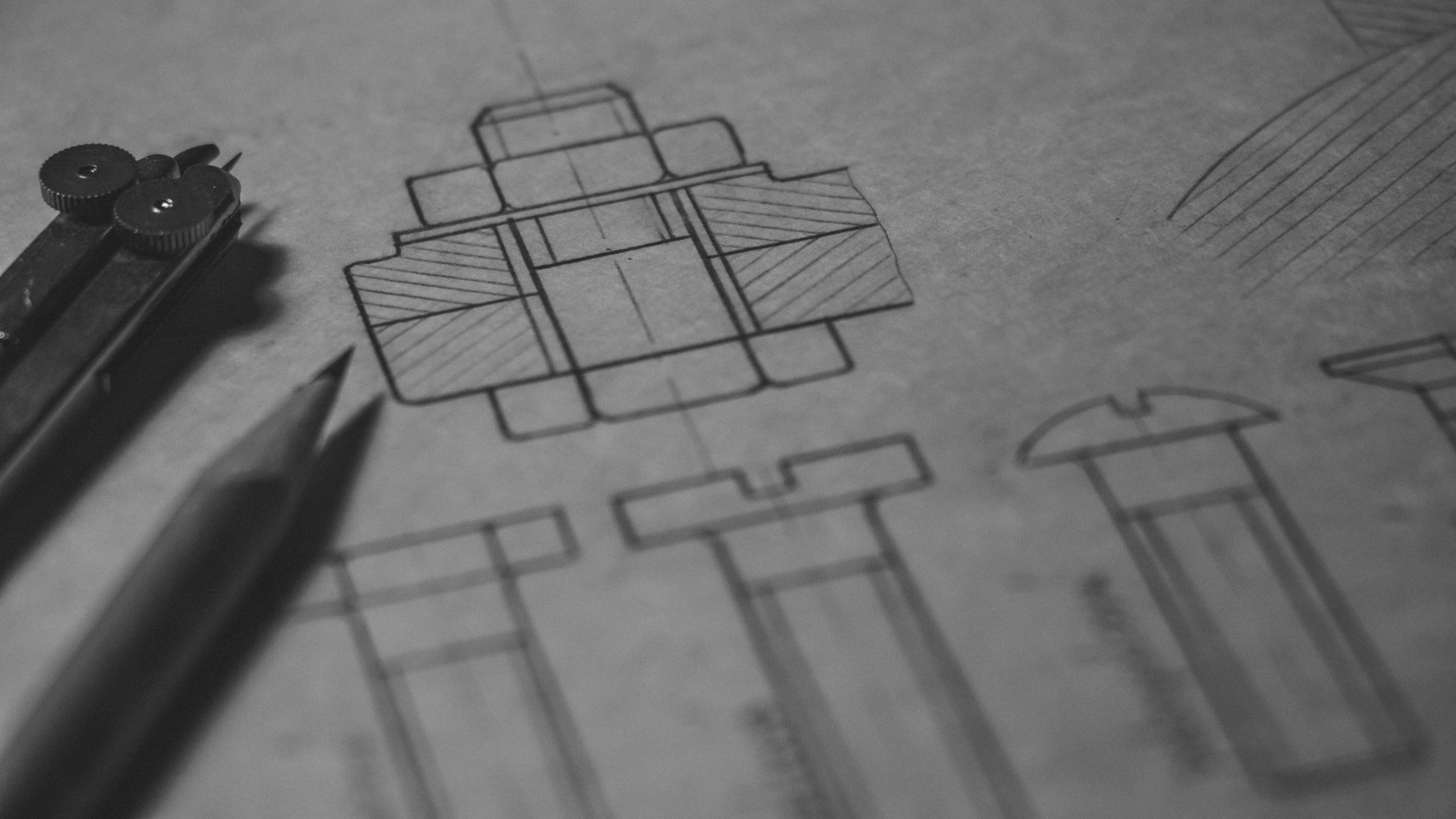
Hand-drawn sketches are an important part of the product design process, helping businesses quickly visualise ideas and explore different approaches before moving into detailed design.
Early sketch concepts allow factors such as functionality, usability, appearance, ergonomics, and manufacturing requirements to be considered from the outset.
By comparing multiple concepts at an early stage, potential design challenges can be identified and resolved before prototyping begins. This helps streamline product development, reduce costs, and ensure the final design meets both user expectations and manufacturing requirements.
Sketching
Hand-drawn sketches are an important part of the product design process, helping businesses quickly visualise ideas and explore different approaches before moving into detailed design.
Early sketch concepts allow factors such as functionality, usability, appearance, ergonomics, and manufacturing requirements to be considered from the outset.
By comparing multiple concepts at an early stage, potential design challenges can be identified and resolved before prototyping begins. This helps streamline product development, reduce costs, and ensure the final design meets both user expectations and manufacturing requirements.
Concept Design Stage
The concept design stage is where product ideas are developed into practical, manufacturable solutions. It helps businesses define a product’s appearance, functionality, and user experience before moving into prototyping and production.
By exploring different design options early, concept design can help reduce development costs, identify potential manufacturing challenges, and improve the chances of a successful product launch. A well-defined concept creates a clear roadmap for product development, ensuring the finished product meets both user needs and production requirements.
Design for Manufacture (DFM)
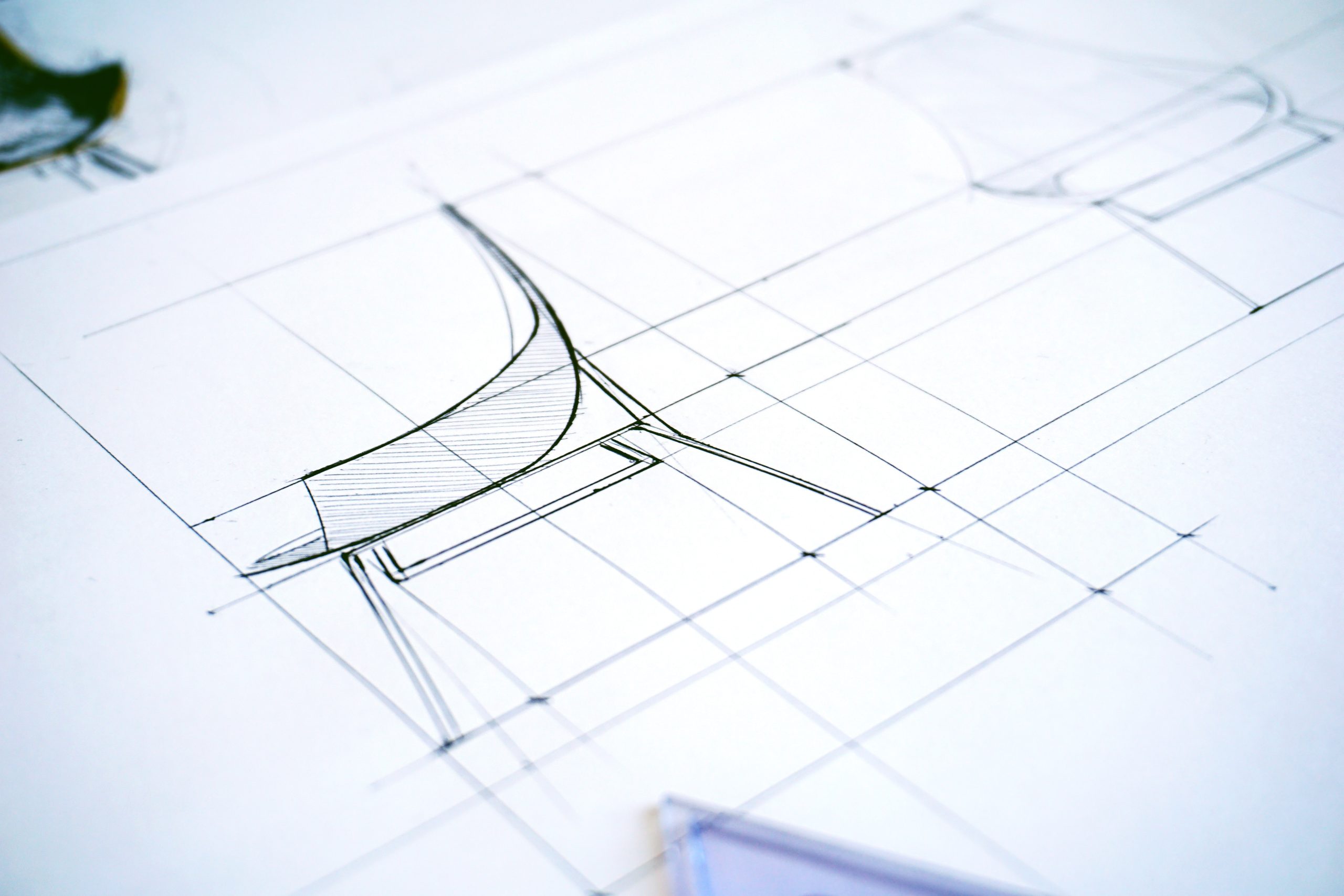
Design for Manufacture (DFM) is a product development approach that ensures a product is designed with efficient, cost-effective manufacturing in mind from the outset. By considering materials, production methods, assembly requirements, and tooling early in the design process, potential manufacturing challenges can be identified before they become costly issues.
A well-planned DFM strategy can help reduce production costs, improve product quality, shorten lead times, and streamline the transition from concept to manufacture. By balancing performance, functionality, and manufacturability, businesses can bring products to market more efficiently while maintaining consistent quality standards.
Design for Manufacture (DFM)
Design for Manufacture (DFM) is a product development approach that ensures a product is designed with efficient, cost-effective manufacturing in mind from the outset. By considering materials, production methods, assembly requirements, and tooling early in the design process, potential manufacturing challenges can be identified before they become costly issues.
A well-planned DFM strategy can help reduce production costs, improve product quality, shorten lead times, and streamline the transition from concept to manufacture. By balancing performance, functionality, and manufacturability, businesses can bring products to market more efficiently while maintaining consistent quality standards.
FAQ's
Concept development is the process of exploring and refining ideas before detailed product design begins. It helps businesses evaluate different solutions and identify the most suitable approach for their product.
A well-developed concept design helps businesses identify potential challenges before investing in prototypes or tooling. This can reduce development costs, improve product performance, and create a clearer path to successful manufacturing.
Addressing design and manufacturing requirements early in the development process can help avoid costly design changes, improve production efficiency, and reduce tooling and assembly costs. This often leads to faster product launches and more reliable manufacturing outcomes.
Yes. Integrating product design, concept development, prototyping, and plastic injection moulding can help streamline the journey from idea to production. This approach improves communication, reduces development risks, and ensures designs are optimised for manufacturing from the outset.
Plastic injection moulded product specialist