CAD Development
CAD Development for Product Design & Plastic Injection Moulding
CAD (Computer-Aided Design) development transforms product concepts into detailed 3D models that can be tested, refined, and prepared for production. It is a critical stage in the product development process, helping businesses validate designs before investing in tooling and manufacturing.
Using precise 3D CAD modelling and IGES files, product designs can be reviewed for functionality, fit, and manufacturability, reducing the risk of costly modifications later in the project. These production-ready files provide the foundation for tool design and plastic injection moulding, ensuring a smoother transition from concept to manufacture.
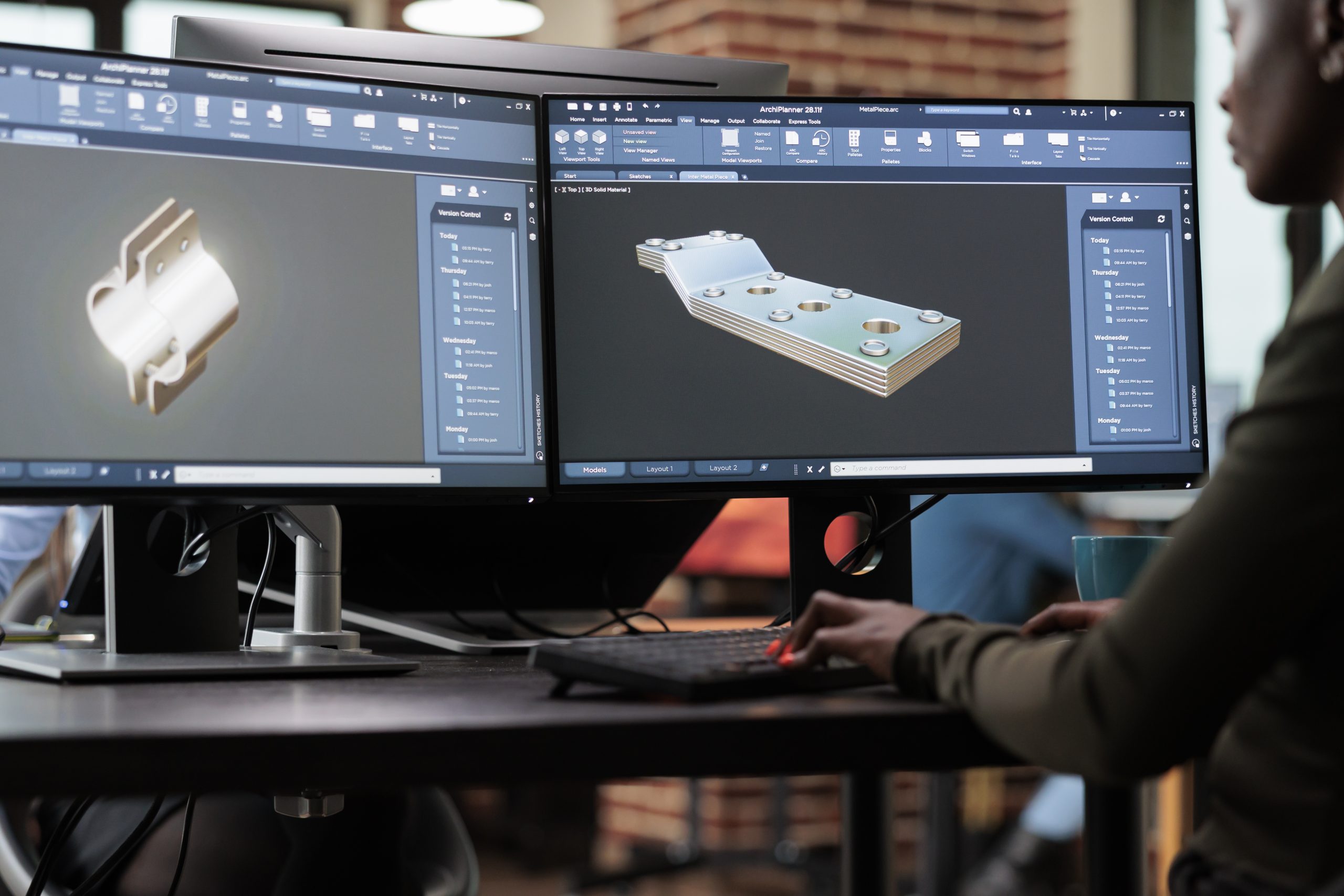

CAD Design Review & Design Validation
A thorough CAD design review is a critical step in the product development process, helping to identify potential issues before tooling and production begin. By reviewing 3D CAD models and 2D technical drawings, businesses can verify dimensions, functionality, assembly requirements, and manufacturing feasibility before committing to manufacture.
Design validation helps reduce costly modifications, minimise production risks, and ensure that the final product meets performance expectations. Once reviewed and approved, accurate CAD data provides a clear foundation for tooling, prototyping, and plastic injection moulding, helping projects move smoothly from design to production.
Where Creativity Meets Practicality
While 3D design is dynamic and iterative, it’s the technical acumen that drives perfection. At Bosworth Plastics, we’re adept at fine-tuning CAD data to orchestrate flawless designs. But our commitment to precision extends beyond the digital realm.
Before the wheels of production set in motion, all 3D data and 2D drawings must be thoroughly reviewed and signed off by our clients. This safeguard ensures that every detail aligns with your vision, mitigating any discrepancies before they materialise.
Prototype Development & Product Testing
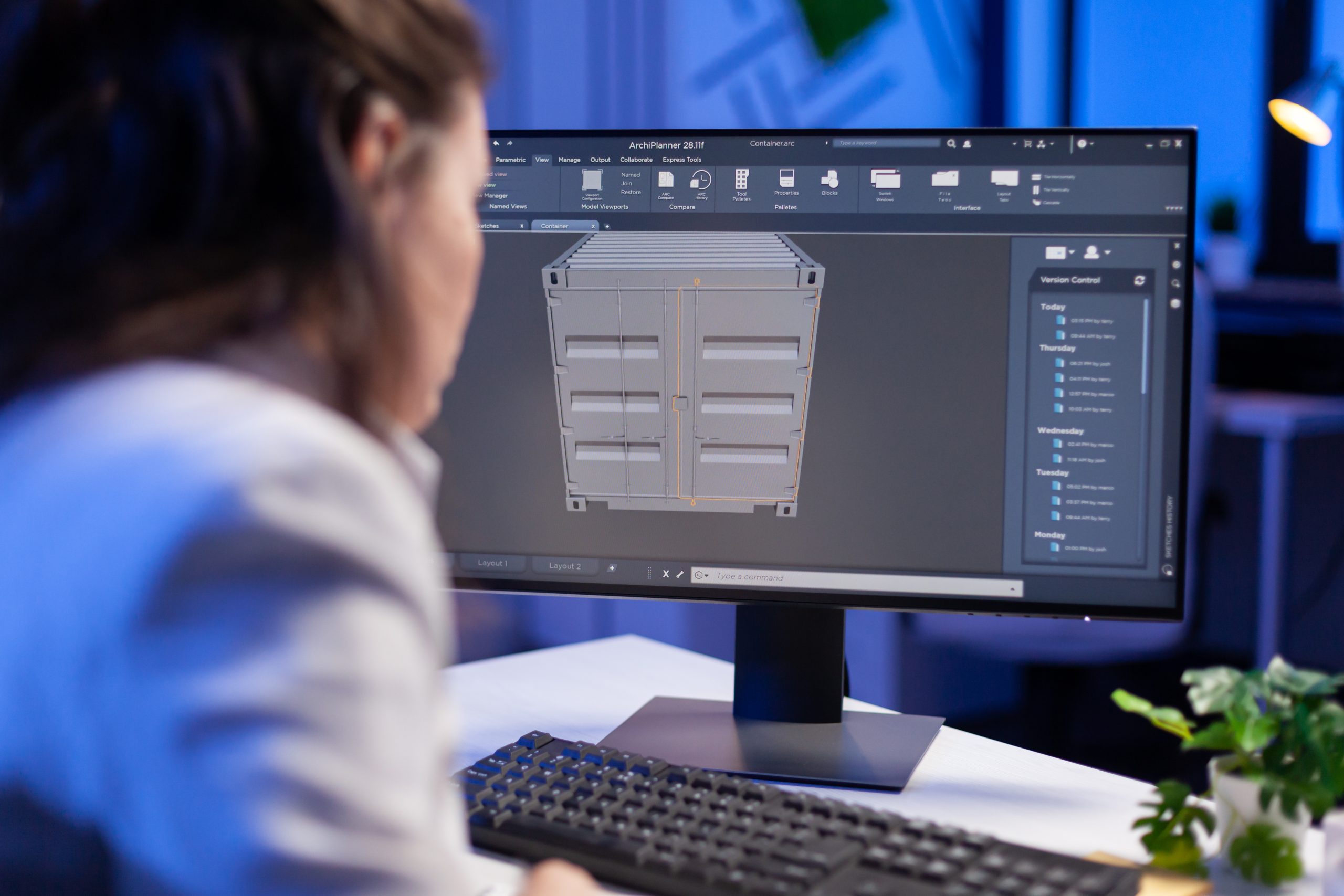
Prototype development allows businesses to test and evaluate a product design before committing to mould tools and full-scale production. Creating an accurate prototype provides an opportunity to assess functionality, fit, appearance, and performance while identifying potential improvements early in the product development process.
By validating a design before tooling begins, businesses can reduce development risks, avoid costly design changes, and make more informed manufacturing decisions. Prototyping helps ensure the final product is ready for production, providing greater confidence before significant investment is made in plastic injection moulding and tooling.
FAQ's
CAD (Computer-Aided Design) development is the process of creating detailed 3D models and technical drawings that can be used for product testing, prototyping, tooling, and manufacturing. It helps ensure a product is accurate, functional, and ready for production.
Reviewing CAD models and technical drawings before manufacture helps identify potential design, assembly, or production issues early. This can reduce costly modifications, improve product quality, and ensure designs meet manufacturing requirements.
By identifying design issues before tooling and manufacture, prototyping can help avoid expensive changes later in the process. Early testing often leads to faster development times, fewer production delays, and a more efficient route to market.
Once the design and prototype have been validated, the project can progress to tooling, plastic injection moulding, and production. Having approved CAD data and tested prototypes helps ensure a smoother transition from product development to manufacture.
Plastic injection moulded product specialist