
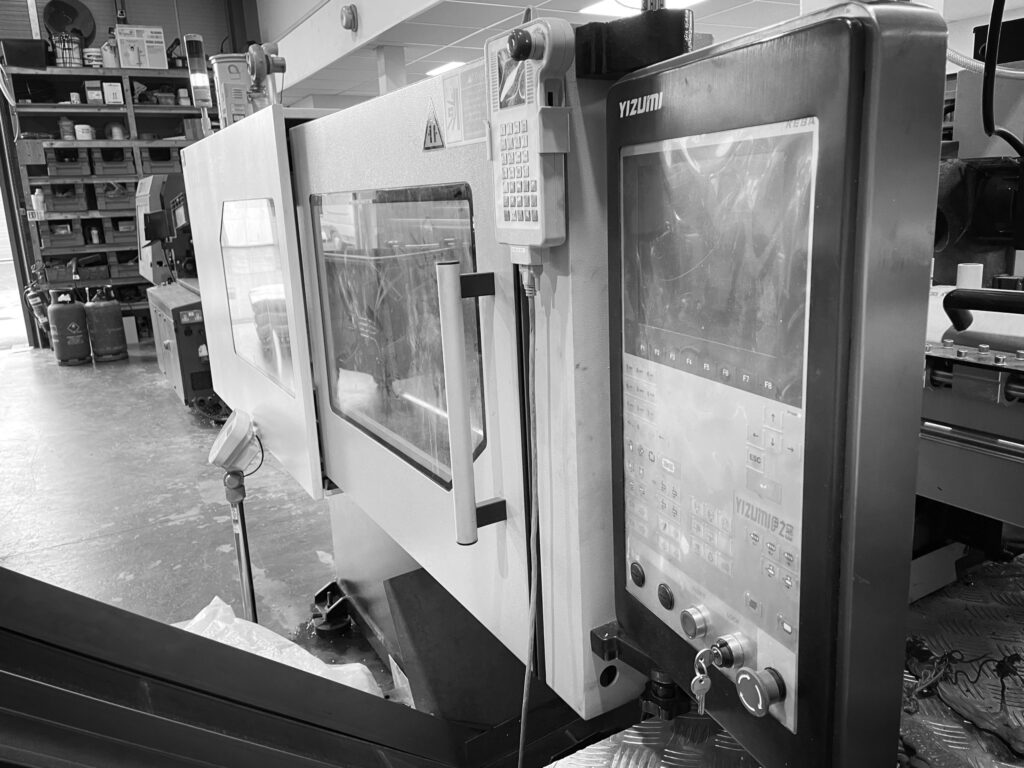
As a proud Leicestershire-based plastic injection moulding company with over 20 years of experience (designing and manufacturing in the heart of the UK since 1997), we’re passionate about delivering high-quality, innovative injection moulded products while staying true to our commitment to excellence, craftsmanship, and pushing the boundaries of what’s possible. We’re ISO 9001:2015 accredited and serve as a true partner to our clients, from
initial brief and 3D design through prototyping, production, and aftercare, helping bring even the most complex visions to life right here in the UK.
In recent years, sustainability has moved from a nice-to-have to a core part of responsible manufacturing. At Bosworth Plastics, we’ve long prioritised practices that minimise material waste, reduce our carbon footprint, and support a more sustainable future. Our processes are designed with energy-efficient machinery, sustainable raw material sourcing where possible, waste-reduction strategies across production lines, and ongoing efforts to optimise workflows for lower environmental impact. Whether it’s minimising excess in our injection moulding operations (where scrap can often be recycled and reused) or choosing partners and methods that align with greener principles, sustainability is embedded in how we work, from clear plastic moulding projects to precision components heading to demanding applications like metro tunnel infrastructure in Brazil, where our solutions contribute to more sustainable builds.
Looking ahead to 2026, the plastic injection moulding industry is evolving rapidly, driven by tighter regulations, customer expectations, and exciting material and process innovations. Here are some of the key trends and innovations we’re watching closely and in many cases, already preparing to integrate, as we continue supporting UK manufacturing.
1. Greater Adoption of Recycled and Post-Consumer Materials
One of the biggest shifts is the move toward incorporating higher percentages of recycled content, particularly post-consumer recycled (PCR) plastics, without compromising part quality or performance. Advances in sorting, cleaning, and compounding mean recycled polypropylene, PET, and other polymers can now deliver strength, consistency, and aesthetics close to virgin materials. Many applications are successfully running at 25-50% PCR, and we expect this to become standard in non-critical or structural-tolerant parts by 2026. At Bosworth Plastics, we’re committed to exploring these options where they fit client needs, helping close the loop and reduce reliance on virgin fossil-based plastics.
2. Rise of Bio-Based and Biodegradable Polymers
Bio-based plastics derived from renewable sources like corn starch, sugarcane, or cellulose are gaining serious momentum. Materials such as PLA (polylactic acid) and emerging PHA options offer a lower carbon footprint and, in some cases, better end-of-life biodegradability. While they may not yet match every traditional plastic’s toughness for high-load uses, they’re ideal for packaging, consumer goods, and non-structural components. We see 2026 as the year these become more mainstream in injection moulding, especially as brands respond to consumer demand for greener alternatives.
3. Energy-Efficient Machinery and Process Optimisation
Newer moulding machines with advanced servo drives, improved heating/cooling controls, and “Green Curve” low-pressure technologies are slashing energy use while maintaining precision and cycle times. Combined with lean manufacturing principles, reducing defects, rework, and unnecessary inventory, these help cut waste and emissions dramatically. Our own focus on energy-efficient equipment and workflow optimisation positions us well to adopt these upgrades, delivering parts more sustainably and cost-effectively.
4. Closed-Loop Systems and Design for Circularity
The future is about designing parts for disassembly, reuse, and recycling from the start. This includes “design for sustainability” approaches that minimise material use, enable easier material separation, and maximise recyclability. Traceability of materials is also becoming essential as regulations tighten (think upcoming EU packaging rules influencing global standards). At Bosworth Plastics, our end-to-end service, from 3D concept visualisation to production, lets us collaborate early with clients to build in these circular principles.
5. Supporting a Greener UK Manufacturing Landscape
With government incentives for green practices and a renewed push for domestic production, UK moulders like us are ideally placed to lead. Choosing local partners reduces transport emissions, shortens supply chains, and supports resilient, low-carbon manufacturing. We’re proud to contribute to this, whether through waste-minimising processes, sustainable sourcing, or innovative solutions that help clients meet their own environmental goals.
At Bosworth Plastics, sustainability isn’t a bolt-on; it’s part of our DNA as we partner with clients across diverse sectors to create durable, high-performance plastic components responsibly. As we head into 2026, we’re excited about the innovations on the horizon and ready to help you navigate them, whether that’s exploring recycled-content options, optimising designs for lower environmental impact, or delivering precision moulded parts with a smaller footprint.
Got a project where sustainability matters? We’d love to talk. Our team is here to guide you through the brief, R&D, prototyping, and full production with the same dedication to quality and innovation we’ve brought since 1997.
Give us a call on 01455 234401 or drop us a message via our contact page. Let’s build something sustainable together, right here in Leicestershire.